Table Of Content
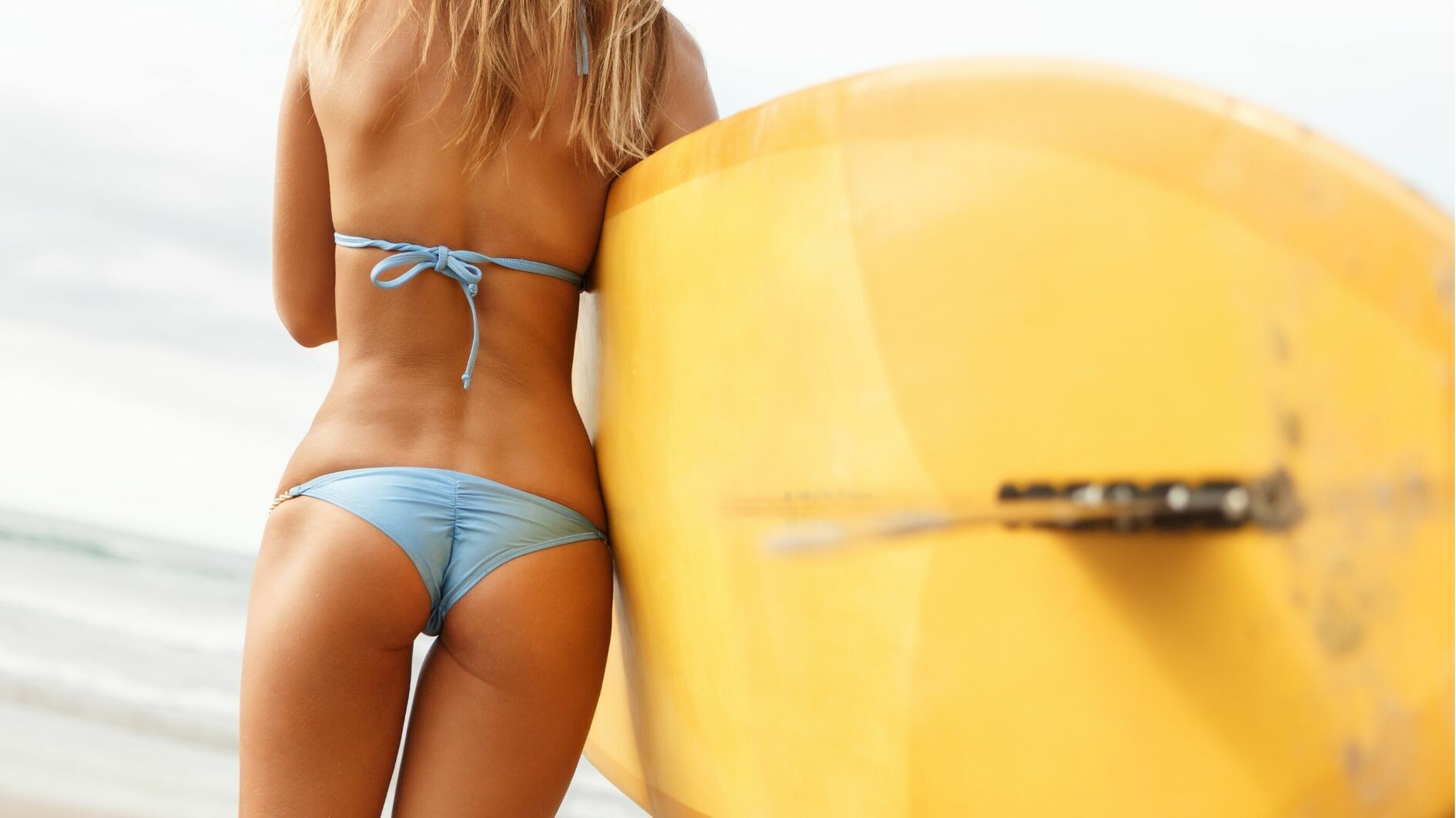
"Additionally, as with all laser treatments, the success is dependent on the color of the hair—so it could potentially be more expensive if you have lighter hair," adds Smith. However, there is a risk that they can trigger sensitivity in this area. "While you can use hair removal cream in the bum area, it's essential to read the product instructions carefully and do a patch test first to check for any adverse reactions," she adds. This change from vellus hair is triggered by rising levels of androgens (male hormones such as testosterone).
How to Remove Butt Hair

“Any time we yank hair out, there’s a propensity for inflammation," says Gohara. "Depilatories are probably the least irritating after lasering because they don’t pull the hair." Your butt crack borders your anus, which makes infection a particular concern. For example, if you cut yourself while shaving down there, you may wipe dangerous bacteria into the area of your injury. If bacteria from sweat gather in your butt crack, it could turn an ingrown hair into an infected hair follicle. You’ll need to be especially mindful of the infection risk if you remove hair from your butt crack. If you use the toilet and need to wipe soon after removing hair from the perianal area, you may notice that the area feels irritated.
Permanent options for butt hair removal
More severe side effects are possible, including blistering, scarring, and infections. We’re not gonna lie — it’s probably going to be uncomfortable, at best. The pulses are often described as feeling like pinpricks or compared to the sensation of having a rubber band snapped against your skin.
Sol de Janeiro Releases Travel-Size Sets of Fan-Favorite Products Ahead of Holiday Season - Happi
Sol de Janeiro Releases Travel-Size Sets of Fan-Favorite Products Ahead of Holiday Season.
Posted: Mon, 20 Nov 2023 08:00:00 GMT [source]
Introduction: Why having a hairy butt may be a problem
While this doesn’t provide permanent hair removal, the treatment will reduce hair growth. Hoping to uncover how to treat razor bumps on your buttocks? The best way to prevent razor bumps is to properly prepare your skin before shaving.
Avoiding tight clothing and thongs afterward can also give your booty some time to heal. Removing hair from this delicate part of the body might cause a little more discomfort than removing it from other areas, like your legs or chin. You can expect some discomfort, swelling, and redness for a couple of days after treatment, especially when dealing with sensitive areas.
When trimming bum hair (or shaving it, of course), always use a handheld mirror as a guide. This way, you’ll be able to see exactly what you’re doing—meaning, less chances of injury. You can also skip the pain of waxing and also avoid the sensitivity risk of creams by grabbing your razor—but there are some downsides to take into account. "Shaving safely with the obvious lack of sight can be tricky," warns Smith.
Irritation and burning
Exfoliate to prevent ingrown hairs, keep the area clean and moisturized, and see a professional if you experience persistent irritation or signs of infection. If you’re going to shave hair around your butthole, just hop in the shower and clean the area with some mild soap and warm water. Then, prop your leg up so that you have access to the area, and shave — very slowly — with a shaving cream, using small strokes.
Keeping it properly cut and trimmed back is a very important part ofthe overall grooming process, though. It can also be quite important to Benji's health.Long butt hair can harbor so many parasites and so much fecal matter that it canbe bad for Benji and for your family's health. This lightweight serum combats redness and prevents ingrown hairs on your face, armpits, and bikini area with the help of glycolic acid and niacinamide. Bikini trimmers are handy if you would like to trim your hair short and avoid the risk of nicks and irritation. Trim your butt hair using an electric clipper, as they are a safe way to shave your lower area. The method of waxing involves pulling the hair out by the roots.
Shave
This involves using a razor to trim the hair close to the skin. This method is easy, but reaching all areas of the butt can be hard and may cause ingrown hairs and irritation. To minimise any side effects of butt hair removal, always wash the butt area using mild soap and warm water before removing the hair. You can also apply aloe vera gel post-hair removal to avoid any bumps or irritation. If you’d rather tackle your bum hair less frequently, then there is a solution for long-lasting results.
Ideally, before you go ahead and get rid of your butt hair, you should make an appointment with a gynecologist or a dermatologist. They’ll be able to address any questions you might have and discuss safe options for hair removal. Most people grow hair around their anus and on their buttocks.
Always conduct a patch test first before applying hair removal creams,” she adds. If you decide that butt hair removal is for you, you have options. Here’s how to get rid of butt hair, so you can smooth out your butt. There are also a few permanent hair removal options that a person can consider if they are sure that they do not want hair on their buttocks anymore. Another expert-approved butt hair removal option is shaving.
Rihanna wearing it [to Coachella in 2017] makes it so [powerful]. And I love Issey Miyake’s intention with that particular collection. There’s clearly a feminine aspect to it, or what we attribute to feminine energy. There's no time like the present to start planning your summer beauty game, and Rihanna's here to serve up some inspo, per usual. Finally, at Nazarian Plastic Surgery we have an on-site, state of the art surgical facility, as well as modern and comfortable out-patient treatment suites. These added benefits help ensure that we meet our goal of achieving the most natural-looking and optimal results, while always keeping your safety first.

Everyone has some hair in the area between their butt crack. This hair wicks away moisture and protects the sensitive skin around your anus. Always use products as directed and follow your dermatologist’s or technician’s aftercare instructions if you go with professional treatment.